Why Brands Must Embrace Social Shopping
(While Accepting Incremental Growth)
Modern consumer shopping behaviors are shifting at an unprecedented pace. The channels and platforms we utilize to research, discover, and ultimately purchase new products have multiplied, creating both challenges and opportunities for retailers and brands.
The Rise of Omnichannel Shopping
There has been a widespread adoption of omnichannel shopping in recent years, and the average consumer now navigates at least three distinct channels throughout their purchase journey. They might start with an Instagram ad, move to the brand's website for detailed product information, and finally complete their purchase through a mobile app.
Yet, despite the overwhelming demand for seamless omnichannel experiences – 75% of consumers desire it, to be precise – a mere 25% feel satisfied with the experiences retailers currently offer. This discrepancy should ring alarm bells for brands; after all, omnichannel consumers hold at least 1.25 times more value than their single-channel counterparts.
New Shopping Channels: A Lasting Effect of the Pandemic
The COVID-19 pandemic reshaped the shopping landscape, introducing consumers to novel channels and platforms. Surprisingly (or perhaps not so much) over 60% of US and Asian consumers plan to persist with these newfound channels even post-pandemic. Whether it's the convenience of grocery delivery or the interactive nature of social commerce, consumers have found value in diversifying their shopping methods.
Social Media: From Discovery to Purchase
The line between social media and eCommerce is blurring. Social shopping is not just a fad but an emerging force driving purchase decisions across generations. From influencers shaping choices to consumers seeking customer service via DMs, the digital buying experience has become more interactive and personalized.
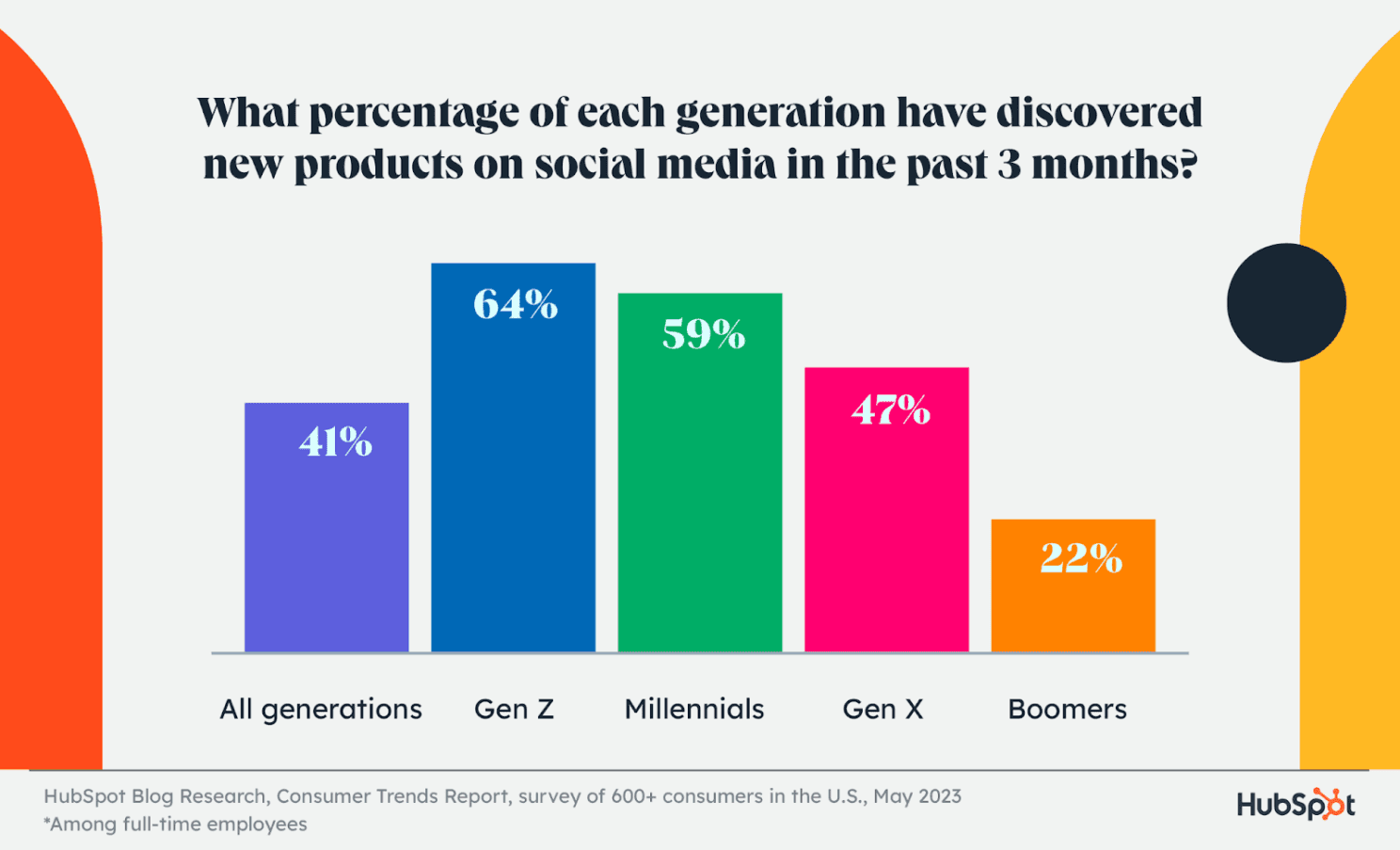
Recent statistics are testimony to this trend. In just the past three months, 41% of consumers stumbled upon a new product on social media. Even more striking is the affinity of younger generations toward this channel. Gen Z, Millennials, and Gen X now rank social media as their top platform for product discovery.
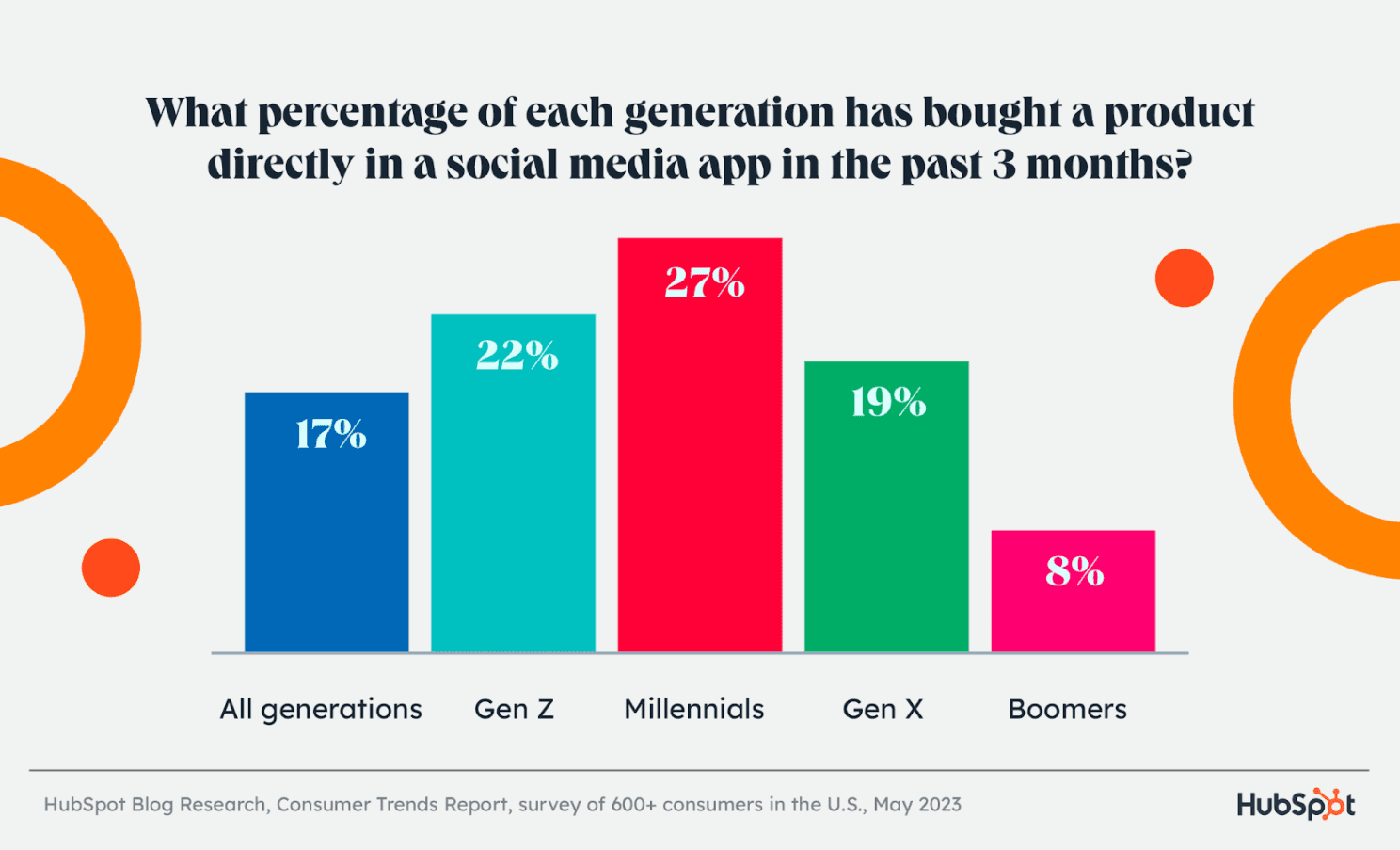
Furthermore, direct purchasing on social media platforms is also on the rise. While 17% of overall users have made a purchase directly through social media in recent months, this number escalates to 22% for Gen Z and an impressive 27% for Millennials.
A Marketer's Perspective on Social eCommerce
From my personal vantage point as a marketer, I've watched social platforms like Facebook, Instagram, and TikTok pour resources into eCommerce and in-platform shopping tools. Many, including myself, initially believed that social shopping would rapidly evolve into a dominant sales channel. However, the adoption rate among
consumers has been gradual rather than meteoric.
That's not to suggest brands should neglect building social eCommerce storefronts. On the contrary, investment in this space is crucial. But it's also essential to set realistic expectations and understand that scaling this sales channel won't happen overnight.
Final Thoughts
The shopping behavior of today's consumer is multifaceted; shaped by various channels, platforms, and influences. Brands that wish to thrive must adapt, innovate, and most importantly, listen to their customers. While the path may be filled with challenges, the opportunities for growth, engagement, and loyalty are immense.
Navigating the omnichannel landscape might feel daunting, but you don't have to do it alone. Reach out to us at marketing@directagents.com and let us be your guide to digital success.
Jackson Richards, VP of Strategy, Direct Agents
Sources
“The world of ‘ands’: Consumers set the tone,” McKinsey & Company
“The State of Consumer Trends in 2023 [Data from 600+ Consumers],” HubSpot